The Future of Taxi Digital Advertising Screen: Smart Displays Are Transforming the Taxi Advertising Industry
The taxi advertising industry is entering a new era of digital transformation.
For many years, taxi advertising mainly depended on traditional methods such as vehicle stickers, posters, and printed advertisements. Although these methods can provide brand exposure, they have limitations in terms of content updates, advertising management, and performance analysis.
With the development of digital signage technology, the taxi digital advertising screen has become an important solution for modern in-vehicle advertising.
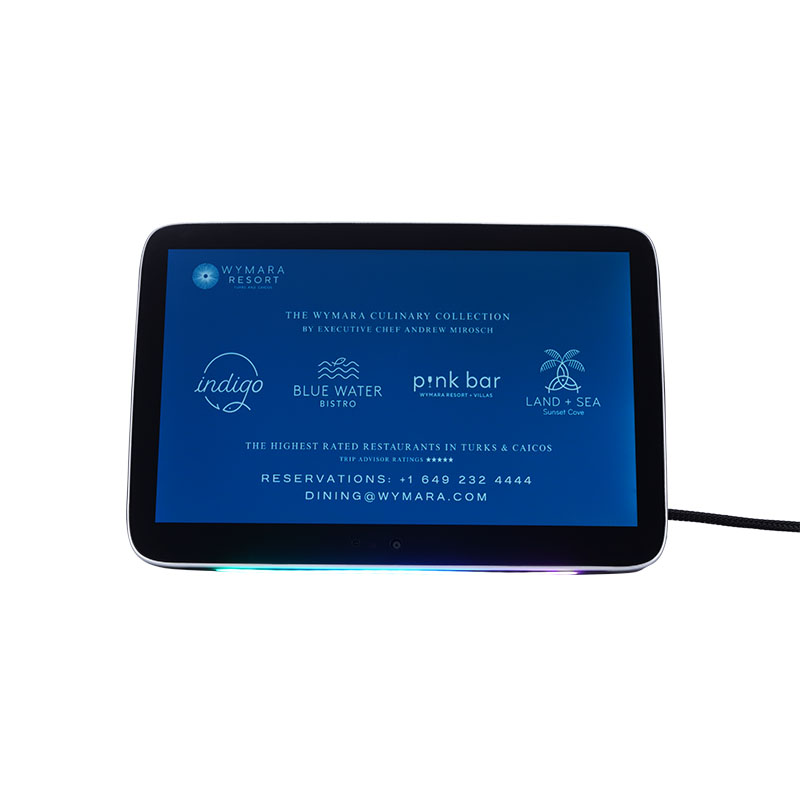
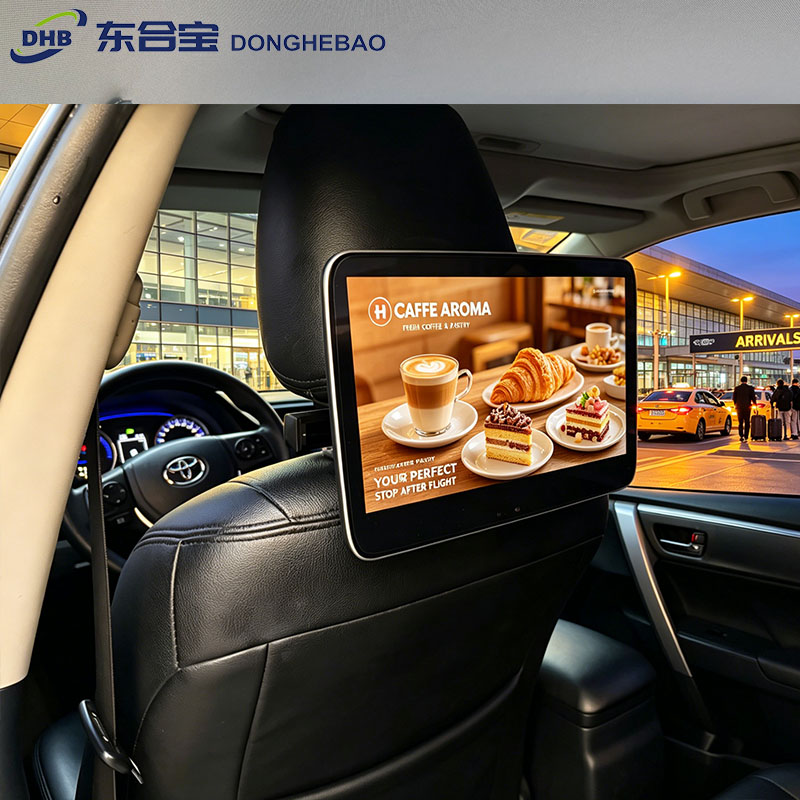
Installed behind the front seats of taxis, digital advertising screens allow advertisers to display:
- Video advertisements;
- Product promotions;
- Brand information;
- Local business campaigns;
- Public service announcements.
Compared with traditional advertising methods, taxi digital advertising screens provide more flexible content management, remote control capabilities, and higher advertising value.
In the future, taxis will not only be transportation tools but also become intelligent mobile advertising platforms.
1. Taxi Advertising Is Moving From Traditional Media to Digital Platforms
Traditional taxi advertising has been widely used for many years.
However, it faces several challenges:
- Advertisement replacement requires manual operation;
- Content updates are slow;
- Advertising performance is difficult to measure;
- Different locations cannot display different advertisements.
A professional taxi digital advertising screen solves these problems by combining:
- Digital display technology;
- Cloud CMS platforms;
- Internet connectivity;
- Intelligent management systems.
Through a centralized CMS platform, operators can remotely:
- Upload videos and images;
- Schedule advertising campaigns;
- Manage thousands of devices;
- Monitor device status;
- Analyze playback records.
This makes taxi advertising more efficient and easier to manage.
2. Taxi Digital Advertising Screens Create Valuable Mobile Media Space
One of the biggest advantages of taxi advertising is the passenger viewing environment.
Unlike outdoor advertisements that passengers may only see briefly, taxi passengers usually stay inside the vehicle for several minutes.
During this time:
- The screen is directly visible;
- Advertising content can be displayed continuously;
- Brands can deliver more detailed messages.
A taxi digital advertising screen creates a valuable advertising channel for:
- Retail brands;
- Restaurants;
- Hotels;
- Tourism companies;
- Financial services;
- Local businesses.
Because content can be updated remotely, advertisers can quickly adjust campaigns according to market changes.
3. CMS Technology Becomes the Core of Digital Taxi Advertising
As taxi advertising networks grow, CMS technology becomes increasingly important.
A professional taxi advertising CMS allows operators to manage large numbers of screens from one platform.
Key functions include:
Remote Device Management
Operators can:
- Check whether devices are online;
- Adjust screen brightness remotely;
- Control volume;
- Restart devices;
- Capture screenshots;
- Monitor advertising playback.
This greatly reduces maintenance costs.
Scheduled and Location-Based Advertising
Future taxi advertising will become more intelligent.
With GPS and cloud CMS technology, advertisements can be delivered according to:
- City;
- Region;
- Time period;
- Business requirements.
For example:
- Airport taxis can display hotel and tourism advertisements;
- Shopping areas can display retail promotions;
- Business districts can display professional services.
Location-based advertising improves targeting accuracy and increases advertising value.
4. Artificial Intelligence Will Improve Advertising Accuracy
Artificial intelligence will become an important development direction for taxi digital advertising screens.
By combining:
- AI cameras;
- Audience analysis;
- Intelligent algorithms;
advertisers can achieve more accurate advertising delivery.
Future systems may support:
- Different advertisements for different passenger groups;
- Audience-based advertising recommendations;
- Advertising effectiveness analysis.
For example, based on passenger characteristics such as age group and gender, the system can recommend more suitable advertisements.
AI technology will help taxi advertising move from simple content playback toward intelligent marketing.
5. Taxi Digital Advertising Screens Create New Revenue Opportunities
For taxi fleet operators, digital advertising screens provide an additional revenue channel.
Traditional taxi businesses mainly rely on transportation services.
However, with taxi digital advertising solutions, fleets can generate additional income through:
- Commercial advertisements;
- Brand partnerships;
- Local business promotions;
- Digital media services.
A fleet with hundreds or thousands of vehicles can become a large mobile advertising network.
This creates opportunities for:
- Taxi companies;
- Advertising agencies;
- DOOH media companies;
- System integrators.
6. Future Taxi Advertising Will Become More Intelligent and Connected
The future development of taxi digital advertising screens will focus on:
Cloud Management
Centralized CMS platforms will allow operators to control large-scale advertising networks.
AI Advertising
Artificial intelligence will improve audience targeting and advertising effectiveness.
Location-Based Marketing
GPS technology will enable advertisements based on location and passenger environment.
Interactive Services
Future taxi screens may provide more than advertisements, including:
- Local information;
- Travel services;
- Digital interaction.
7. Professional Hardware Will Become More Important
As commercial taxi advertising develops, hardware reliability will become a key factor.
Unlike consumer tablets, professional taxi digital advertising screens are designed for:
- Long working hours;
- Vehicle vibration;
- Different temperature environments;
- Stable vehicle power systems.
Professional solutions can also provide customization options:
- Different screen sizes;
- Android configurations;
- 4G connectivity;
- GPS;
- Camera functions;
- Custom firmware;
- CMS integration;
- Vehicle mounting brackets.
OEM and ODM capability will become an important advantage for manufacturers.
Conclusion: Taxi Digital Advertising Screen Will Shape the Future of Mobile Advertising
The development of the taxi digital advertising screen represents an important transformation in the advertising industry.
Digital taxi displays are no longer simple playback devices. They are becoming intelligent platforms combining:
- Digital advertising;
- Remote management;
- AI technology;
- Smart transportation.
With the growth of digital media and connected vehicles, taxi digital advertising screens will continue creating new business opportunities for advertisers, taxi fleets, and technology providers.
DHB focuses on professional taxi headrest advertising display solutions, providing:
- Hardware development;
- CMS integration;
- OEM/ODM customization;
- Complete in-vehicle advertising solutions.
FAQ
1. What is a taxi digital advertising screen?
A taxi digital advertising screen is a display device installed inside taxis, usually behind the front seats, for displaying digital advertisements, information, and promotional content.
2. Why are taxi digital advertising screens becoming popular?
Because they provide:
- Remote advertising management;
- Higher passenger exposure;
- Flexible content updates;
- Additional revenue opportunities.
3. Can taxi digital advertising screens be controlled remotely?
Yes. Through CMS platforms, operators can remotely manage content, schedules, device status, and advertising campaigns.
4. Can different advertisements be displayed in different locations?
Yes. GPS and CMS technology allow advertisers to deliver different content based on location and time.
5. Can AI improve taxi advertising?
Yes. AI technology can help analyze audiences and provide more accurate advertising recommendations.
6. Can taxi digital advertising screens be customized?
Yes. Professional manufacturers can provide OEM and ODM services including hardware, software, firmware, and structural customization.
Contact DHB
For more information about taxi digital advertising screen solutions, CMS platforms, OEM customization, and taxi advertising projects, please contact DHB.
WhatsApp: +86 134 2287 1594
Email: kiki@donghebao.com
Contact Us for professional taxi digital advertising solutions.
Website: www.dhbtaxiad.com