

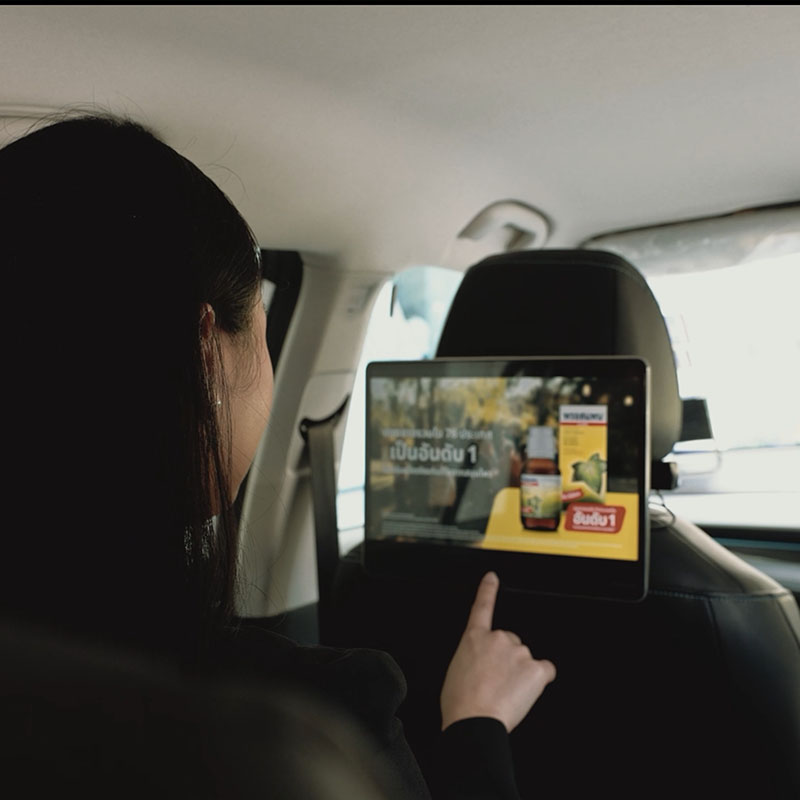
Everything You Need to Know About Taxi Headrest Advertising Displays
As digital out-of-home (DOOH) advertising continues to expand, the taxi headrest advertising display has become one of the most effective media platforms for reaching passengers during their journeys. Installed behind the driver’s and front passenger’s seats, these displays provide an engaging way to deliver advertisements, travel information, entertainment, and promotional content directly to a captive audience.
Unlike traditional taxi advertising such as exterior stickers or rooftop signs, a taxi headrest display creates a high-quality digital experience inside the vehicle. Combined with a cloud-based CMS, fleet operators can remotely update advertising content, schedule campaigns, and even deliver location-based advertisements using geofencing technology.
If you’re planning to invest in a taxi advertising solution, this guide explains the key features, benefits, and purchasing considerations to help you choose the right system.
What Is a Taxi Headrest Advertising Display?
A taxi headrest advertising display is a commercial-grade LCD or Android display installed on the back of the front seats inside a taxi. The display automatically plays advertisements, videos, promotional campaigns, public announcements, and multimedia content while passengers travel.
Modern displays support Wi-Fi and 4G connectivity, allowing operators to manage thousands of devices through a centralized cloud CMS. This enables remote content updates, campaign scheduling, proof-of-play reporting, and intelligent advertising based on time or location.
Key Features to Look For
1. High-Definition Display
Choose an HD or Full HD screen with high brightness and wide viewing angles to ensure passengers can clearly see advertisements in different lighting conditions.
2. Android Operating System
An Android-based taxi headrest screen offers greater flexibility, allowing support for multimedia playback, APK installation, OTA updates, and cloud management.
3. 4G and Wi-Fi Connectivity
Reliable connectivity is essential for remote content updates. A built-in 4G module allows the display to communicate with the CMS even when Wi-Fi is unavailable.
4. Cloud CMS
A professional CMS enables centralized device management, media scheduling, user permissions, advertising reports, and remote monitoring.
5. Geofencing Support
Location-based advertising allows different advertisements to play automatically when taxis enter airports, shopping centers, hotels, or tourist attractions, improving campaign relevance.
Benefits for Fleet Operators
- Create new advertising revenue streams.
- Remotely manage thousands of displays.
- Reduce manual maintenance through OTA updates.
- Provide passengers with entertainment and useful travel information.
- Offer premium advertising packages based on location and schedule.
- Improve advertiser satisfaction through targeted campaigns.
Buying Considerations
Before purchasing a taxi headrest advertising display, buyers should evaluate several important factors:
| Feature | Recommendation |
|---|---|
| Operating System | Android 11 or above |
| Connectivity | 4G + Wi-Fi |
| CMS | Cloud-based remote management |
| Advertising Features | Scheduling + Geofencing |
| Installation | Easy seat-mount design |
| Updates | OTA firmware support |
Why a Professional CMS Is Essential
The display hardware is only part of a successful taxi advertising system. A powerful CMS allows operators to upload media, create advertising schedules, group devices, monitor online status, and generate playback reports.
Businesses operating hundreds of vehicles benefit from centralized management, reducing operational costs while improving advertising efficiency.
For advanced projects, the CMS can also support geofencing, emergency messaging, remote diagnostics, and software updates.
Final Recommendation
Choosing the right taxi headrest advertising display involves more than selecting a screen size. Buyers should consider hardware quality, operating system, connectivity, CMS capabilities, and long-term operating costs.
For most commercial taxi advertising projects, an Android-based display with 4G connectivity and a professional cloud CMS provides the best balance of functionality, scalability, and return on investment.
Related Articles
- GPS vs 4G Positioning for Taxi Digital Signage
- How Geofencing Improves Taxi Advertising ROI
- Why Fleet Operators Choose 4G Positioning
External Resources
Frequently Asked Questions
What is the ideal screen size for a taxi headrest advertising display?
Most commercial solutions use 10.1-inch or 11.6-inch displays, offering an excellent balance between visibility and installation convenience.
Can the displays be managed remotely?
Yes. A cloud CMS allows administrators to remotely update media, monitor devices, schedule campaigns, and generate advertising reports.
Does the system support location-based advertising?
Yes. With geofencing and 4G positioning, advertisements can automatically change based on the taxi’s location.
Why choose Android for taxi advertising displays?
Android provides flexibility, application compatibility, OTA updates, and seamless integration with modern CMS platforms.
Contact Our Team
Looking for a reliable taxi headrest advertising display manufacturer? We provide OEM & ODM solutions, Android-based taxi digital signage, cloud CMS platforms, and professional technical support for customers worldwide.
WhatsApp: +86 13422871594
Email: kiki@donghebao.com