

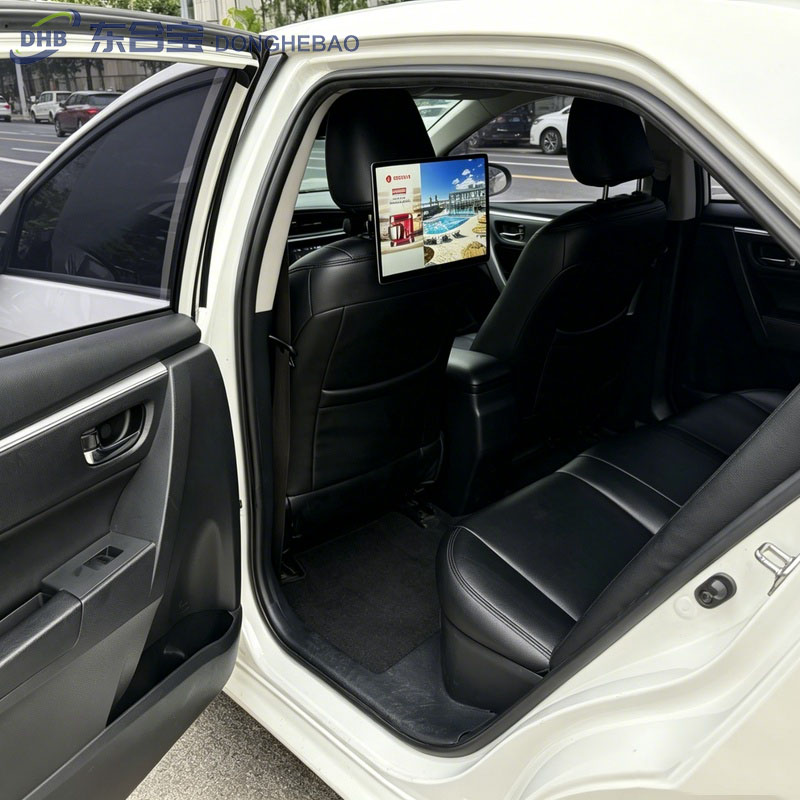
The digital advertising industry is moving toward a smarter and more targeted direction.
Traditional advertising methods mainly focus on displaying content but cannot accurately understand whether the advertisement reaches the right audience.
Advertisers often know where an advertisement is displayed, but they cannot clearly understand:
- Who is viewing the advertisement.
- Whether passengers are interested in the content.
- Which advertisements generate better engagement.
With the development of artificial intelligence technology, in vehicle advertising display solutions are becoming more intelligent.
By integrating AI cameras, taxi advertising displays can analyze passenger audiences, optimize advertising strategies, and help advertisers achieve higher return on investment (ROI).
For taxi fleets, advertising companies, and DOOH operators, AI-powered advertising displays represent the future direction of mobile digital advertising.
1. What Is an AI Camera in Vehicle Advertising Display?
An AI camera is an intelligent camera module integrated into a digital advertising display system.
Unlike traditional cameras, AI cameras use computer vision technology and AI algorithms to analyze the advertising environment and provide valuable audience insights.
In taxi advertising applications, AI cameras can analyze:
- Passenger presence.
- Passenger quantity.
- Viewing opportunities.
- Audience characteristics.
- Advertising engagement.
The purpose of AI integration is not simply video recording, but helping advertisers understand advertising effectiveness and improve content delivery.in vehicle advertising display
2. Improve Advertising Accuracy Through AI Audience Analysis
One of the biggest challenges in traditional advertising is the lack of audience information.
A traditional advertising screen can only play advertisements, but it cannot understand the audience watching the content.
With AI technology, an in vehicle advertising display can provide anonymous audience analysis.
The AI system can analyze general audience characteristics, including:
- Age range.
- Gender characteristics.
- Passenger numbers.
- Viewing behavior.
Based on this analysis, the advertising system can recommend more suitable advertising content for different audience groups.
For example:
- Younger passengers may receive advertisements related to fashion brands, entertainment applications, or e-commerce promotions.
- Business travelers may see advertisements related to hotels, financial services, or business solutions.
- Family passengers may receive advertisements related to education, family products, or lifestyle services.
This transforms taxi advertising from traditional mass exposure into more accurate audience-targeted advertising.
3. Reduce Invalid Advertising Playback
Traditional digital advertising systems usually continue playing advertisements even when there are no passengers.
This creates:
- Unnecessary advertising impressions.
- Lower advertising efficiency.
- Additional power consumption.
AI cameras can help improve advertising efficiency.
When no passenger is detected:
- The system can enter standby mode.
- Reduce unnecessary advertising playback.
- Lower device power consumption.
When passengers enter the vehicle:
- The system can automatically activate advertising playback.
- Display scheduled advertising content.
This improves advertising resource utilization and campaign effectiveness.
4. Enable More Precise Targeted Advertising
The combination of AI cameras, GPS positioning, and CMS management creates a smarter advertising ecosystem.
Advertisers can optimize campaigns based on:
- Audience characteristics.
- Location information.
- Time schedule.
- Passenger scenarios.
For example:
- Shopping advertisements can be displayed in commercial areas.
- Hotel advertisements can be displayed near airports.
- Restaurant promotions can be delivered in dining districts.
By combining AI audience analysis with location-based advertising, brands can reach more relevant customers.
5. Improve Advertising Value and ROI for Brands
For advertisers, advertising value depends not only on the number of impressions but also on audience relevance.
Traditional advertising screens can only confirm that content was played.
However, AI-powered in vehicle advertising displays can provide deeper insights:
- Audience exposure opportunities.
- Passenger engagement information.
- Advertising performance analysis.
This helps advertisers understand campaign effectiveness and optimize future advertising strategies.
Higher transparency allows brands to better evaluate advertising investment and improve ROI.
6. Help Taxi Fleets Create Higher Commercial Value
For taxi fleet operators, AI advertising technology creates new business opportunities.
A traditional taxi mainly generates revenue through transportation services.
However, with:
- In vehicle advertising displays.
- CMS management systems.
- GPS positioning.
- AI camera technology.
A taxi can become an intelligent mobile advertising platform.
Fleet operators can provide advertisers with:
- More accurate advertising channels.
- Better audience insights.
- Higher-value advertising solutions.
This increases the commercial value of every vehicle.in vehicle advertising display
7. AI Camera Integration with CMS Advertising Management
AI camera technology reaches its full potential when combined with a professional CMS platform.
A complete intelligent advertising solution includes:
Remote Advertising Management
Operators can:
- Upload advertisements remotely.
- Schedule campaigns.
- Manage multiple vehicles.
- Update content instantly.
Audience Data Analysis
CMS platforms can combine AI information with advertising data to provide:
- Campaign performance reports.
- Advertising delivery analysis.
- Optimization suggestions.
Remote Device Management
Operators can monitor:
- Device online status.
- Advertising playback.
- Network connection.
- System operation.
Together, AI cameras and CMS create a complete intelligent taxi advertising ecosystem.
8. Future Development of AI In Vehicle Advertising Displays
AI technology will continue transforming digital advertising.
Future developments may include:
More Advanced Audience Analytics
AI algorithms may provide deeper audience insights while following privacy protection requirements.
Personalized Advertising Delivery
Future advertising systems may automatically recommend content based on:
- Audience characteristics.
- Location.
- Time.
- Advertising objectives.
Intelligent Advertising Optimization
AI systems may analyze campaign results automatically and help advertisers improve advertising strategies.
Conclusion: AI Makes In Vehicle Advertising Displays Smarter and More Valuable
The future of taxi advertising is moving beyond simple video playback.
By integrating AI cameras into in vehicle advertising displays, operators can achieve:
- Better audience understanding.
- More accurate advertising delivery.
- Higher advertising efficiency.
- Improved return on investment.
AI technology allows taxi advertising to become a smarter and more valuable digital media platform.
For taxi fleets, advertising companies, and DOOH operators, AI-powered advertising displays provide a new opportunity to maximize vehicle media value and build intelligent mobile advertising networks.in vehicle advertising display
FAQ
1. What is an AI camera for in vehicle advertising displays?
An AI camera is an intelligent camera module that helps analyze passenger presence, audience characteristics, and advertising opportunities.
2. Can AI cameras improve advertising ROI?
Yes.
By analyzing audience characteristics and improving advertising targeting, AI cameras can help advertisers optimize campaigns and improve advertising efficiency.
3. Can AI cameras recognize passenger identity?
No.
Professional advertising solutions focus on anonymous audience analysis, such as general audience characteristics and viewing opportunities, rather than identifying individual passengers.
4. Can AI cameras recommend different advertisements for different audiences?
Yes.
AI-powered advertising systems can analyze general audience characteristics and deliver more relevant advertisements based on advertising strategies.in vehicle advertising display
5. Can AI cameras work with taxi CMS systems?
Yes.
AI cameras can be integrated with CMS platforms to combine advertising management, device control, and audience analytics.
6. What industries can use AI-powered taxi advertising?
Potential industries include:
- Retail.
- Restaurants.
- Hotels.
- Tourism.
- Automotive brands.
- Local businesses.
- E-commerce companies.
Contact DHB
DHB provides professional in vehicle advertising display solutions for taxi fleets, advertising companies, and DOOH operators.
Our solutions include:
- Taxi rear seat advertising displays.
- AI camera integration.
- CMS remote management systems.
- GPS advertising solutions.
- OEM & ODM customization.
WhatsApp: +8613422871594
Email: kiki@donghebao.com
website:www.dhbtaxiad.com
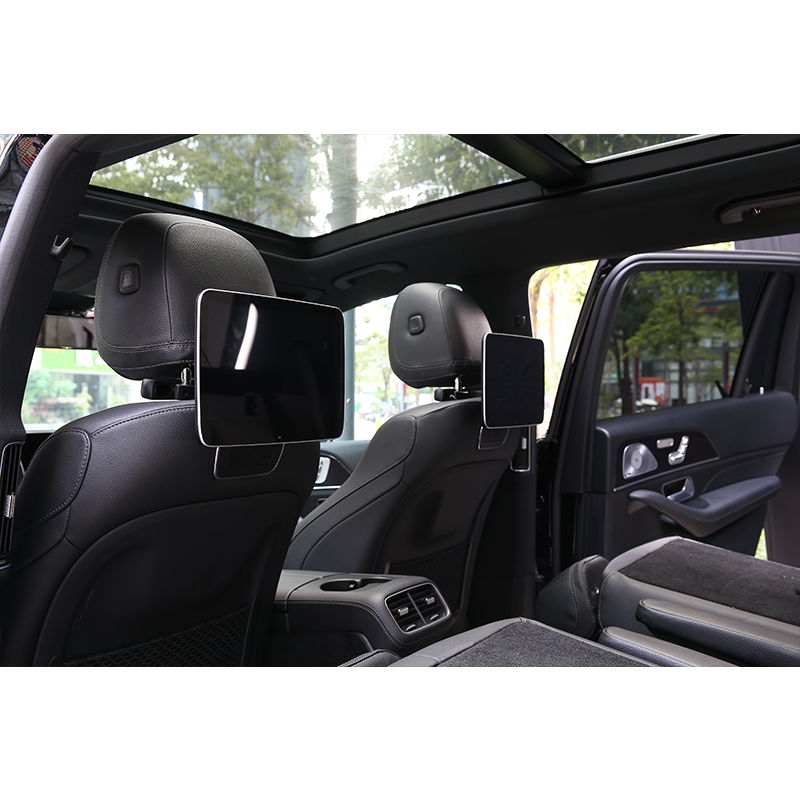
11.6-inch taxi rear seat advertising machine