

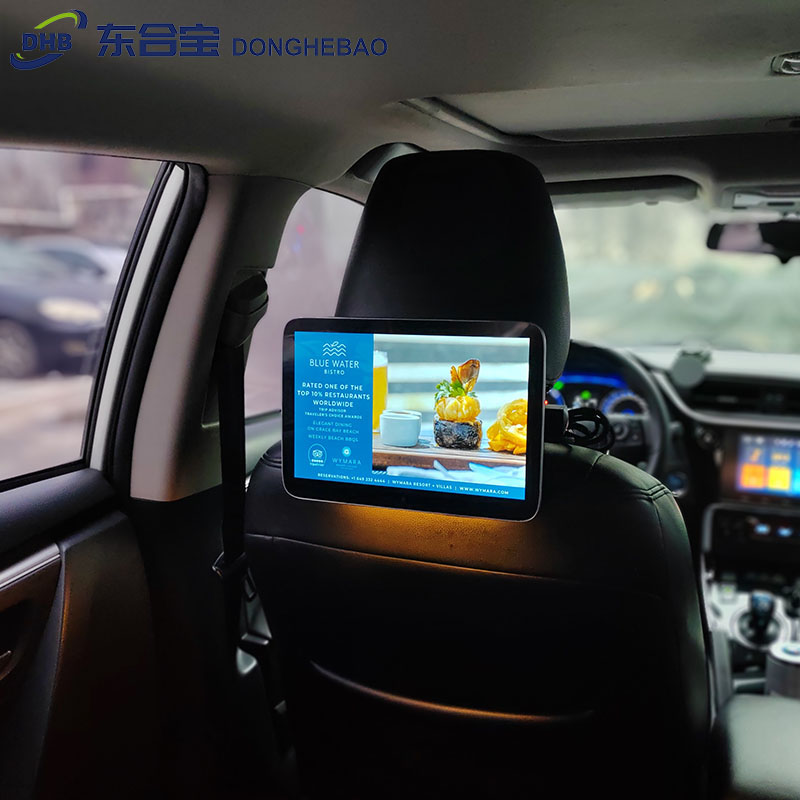
2026 Complete Guide to Taxi Seatback Advertising Screens
The taxi industry is evolving from traditional transportation services into a connected digital media platform.
In 2026, more taxi fleets, advertising companies, and DOOH operators are adopting digital screens installed behind passenger seats to create new advertising opportunities.
A professional seatback advertising screen transforms the unused passenger viewing space into a valuable digital advertising channel.
Unlike traditional static advertisements, digital taxi screens allow operators to remotely manage content, update campaigns instantly, and deliver targeted advertisements based on location, time, and passenger scenarios.
This guide explains everything you need to know about taxi seatback advertising screens, including technology, features, installation, CMS management, and business value.
1. What Is a Taxi Seatback Advertising Screen?
A taxi seatback advertising screen is a digital display installed on the back of the front seat or integrated into the passenger area of a taxi.
The main purpose of the screen is to provide passengers with:
- Video advertisements.
- Brand promotions.
- Local business information.
- Entertainment content.
- Interactive services.
Compared with traditional advertising methods, digital seatback screens provide:
- Dynamic content.
- Remote updates.
- Higher passenger engagement.
- Better advertising measurement.
These systems are widely used by:
- Taxi fleets.
- Ride-hailing companies.
- Advertising agencies.
- DOOH media operators.
2. Why Are Taxi Seatback Advertising Screens Becoming Popular?
The passenger space inside a taxi has several advantages for advertising.
Longer Viewing Time
Passengers usually stay inside a taxi for several minutes during a trip.
This creates a valuable advertising opportunity because passengers naturally face the rear seat display area.
High Attention Environment
Compared with outdoor advertising, taxi screens provide:
- Close viewing distance.
- Limited distractions.
- Direct passenger exposure.
Flexible Digital Advertising
Unlike printed advertisements, digital screens allow operators to update content instantly.
A campaign can be changed within minutes through a CMS platform.
3. Key Technologies of Modern Seatback Advertising Screens
A professional taxi advertising screen is more than just a display.
Modern systems combine multiple technologies.
Android Operating System
Most commercial taxi displays use Android systems because they support:
- Custom applications.
- CMS software.
- Remote management.
- Flexible development.
DHB taxi advertising displays support Android-based solutions with customized firmware and applications.
Industrial-Grade Hardware
Taxi environments are different from home environments.
Professional seatback advertising screens require:
- Industrial-grade components.
- Stable long-term operation.
- Vibration resistance.
- Temperature adaptability.
These features allow the device to operate continuously in vehicles.
4G Network Connectivity
4G connectivity enables:
- Remote advertisement updates.
- Online device monitoring.
- Cloud CMS management.
- Real-time communication.
Operators do not need to manually update every vehicle.
GPS Positioning
GPS technology enables location-based advertising.
For example:
- Restaurants advertise near shopping areas.
- Hotels advertise near airports.
- Local businesses target specific districts.
This improves advertising accuracy and commercial value.
4. CMS Management System: The Core of Taxi Advertising Operations
A powerful CMS is essential for large-scale taxi advertising.
A professional taxi CMS can provide:
Remote Device Management
Operators can:
- Check device online status.
- Control screen brightness.
- Adjust volume.
- Restart or shut down devices remotely.
Remote Advertising Publishing
The CMS allows operators to:
- Upload advertisements.
- Schedule campaigns.
- Replace content remotely.
- Insert emergency announcements.
Device Group Management
For large fleets, the system supports:
- Vehicle grouping.
- Regional management.
- Batch advertising updates.
Hundreds or thousands of devices can be managed from one platform.
Advertising Reports
The CMS can generate:
- Playback records.
- Device reports.
- Advertising delivery data.
This provides transparency for advertisers.
5. Installation Methods of Taxi Seatback Advertising Screens
A professional installation method is important for safety and reliability.
Common installation steps include:
- Install the dedicated seat bracket.
- Fix the display securely to the headrest or seat structure.
- Connect the vehicle power supply.
- Configure the CMS system.
- Test advertising playback.
Professional taxi displays usually use customized brackets to ensure:
- Stable installation.
- Better viewing angle.
- Long-term reliability.
6. How Taxi Fleets Make Money with Seatback Advertising Screens
The biggest advantage of taxi digital advertising is creating additional revenue.
Fleet operators can generate income through:
Advertising Space Sales
Sell advertising space to:
- Local businesses.
- National brands.
- Marketing agencies.
Partnership with DOOH Companies
Taxi fleets can cooperate with digital advertising companies that manage advertising campaigns.
Data-Based Advertising
With GPS and CMS technology, advertisers can purchase targeted advertising based on:
- Location.
- Time.
- Operating area.
This creates higher-value advertising opportunities.
7. Features to Consider When Choosing a Taxi Advertising Screen
When selecting a seatback advertising screen, operators should consider:
Display Size
Common sizes include:
- 10.1 inch.
- 11.6 inch.
- 12.2 inch.
- 13 inch.
- 14 inch.
Different fleets can select according to vehicle models and passenger requirements.
Remote CMS Capability
A professional system should support:
- Cloud management.
- Remote updates.
- Device monitoring.
Customization Capability
For commercial projects, OEM customization may include:
- Custom logo.
- Customized firmware.
- Vehicle brackets.
- Application development.
Safety and Reliability
Professional taxi screens should avoid consumer tablet limitations.
Important features include:
- Vehicle power supply design.
- Secure mounting.
- Long-term operation capability.
8. Future Trends of Taxi Seatback Advertising Screens in 2026
The taxi advertising industry continues moving toward intelligence and personalization.
Future developments include:
AI-Based Advertising
Camera and AI technologies may allow more accurate audience analysis and advertising delivery.
Interactive Advertising
Future systems may support:
- QR code interaction.
- Mobile connection.
- Digital payment integration.
Smart Transportation Integration
Taxi displays may become part of broader smart transportation ecosystems.
Conclusion: Why Seatback Advertising Screens Are Becoming an Important Taxi Media Solution
In 2026, taxi advertising is no longer limited to simple video playback.
A professional seatback advertising screen combines:
- Digital display technology.
- CMS management.
- GPS advertising.
- Remote control.
- Data analysis.
It helps taxi fleets increase vehicle value, provides advertisers with targeted marketing channels, and creates new business opportunities.
For taxi companies, advertising operators, and DOOH media providers, digital seatback screens represent an important direction for the future of mobile advertising.
FAQ
1. What is a seatback advertising screen?
A seatback advertising screen is a digital display installed behind taxi seats to show advertisements and passenger information.
2. Can taxi advertising screens be updated remotely?
Yes.
With CMS software, advertisements can be uploaded and updated remotely through the cloud.
3. Can different taxis display different advertisements?
Yes.
Through device grouping and GPS targeting, different advertisements can be assigned to different vehicles or regions.
4. What screen sizes are available for taxi advertising displays?
Common sizes include 10.1, 11.6, 12.2, 13, and 14 inches.
5. Can the system generate advertising reports?
Yes.
A professional CMS can record advertising playback information and generate reports.
6. Are taxi seatback advertising screens suitable for large fleets?
Yes.
With CMS management, large numbers of taxi displays can be controlled centrally.
Contact DHB
DHB provides professional seatback advertising screen solutions for taxi fleets, advertising companies, and DOOH operators.
Our solutions include:
- Taxi rear seat advertising displays.
- Android digital signage hardware.
- CMS management systems.
- GPS advertising solutions.
- OEM & ODM customization.
WhatsApp: +8613422871594
Email: kiki@donghebao.com
website:www.dhbtaxiad.com
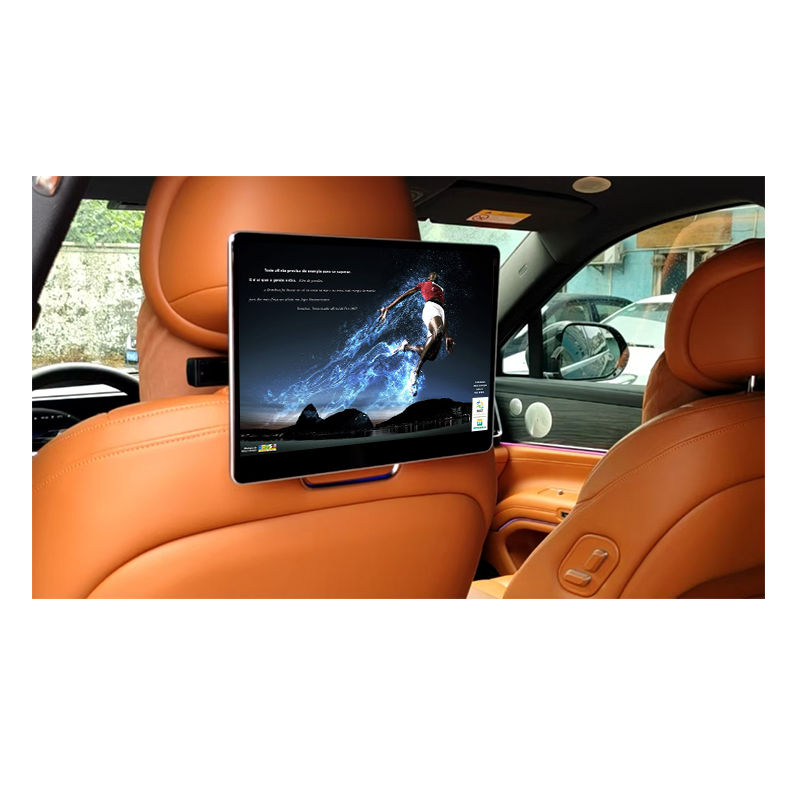
13 inch taxi rear seat advertising screen