

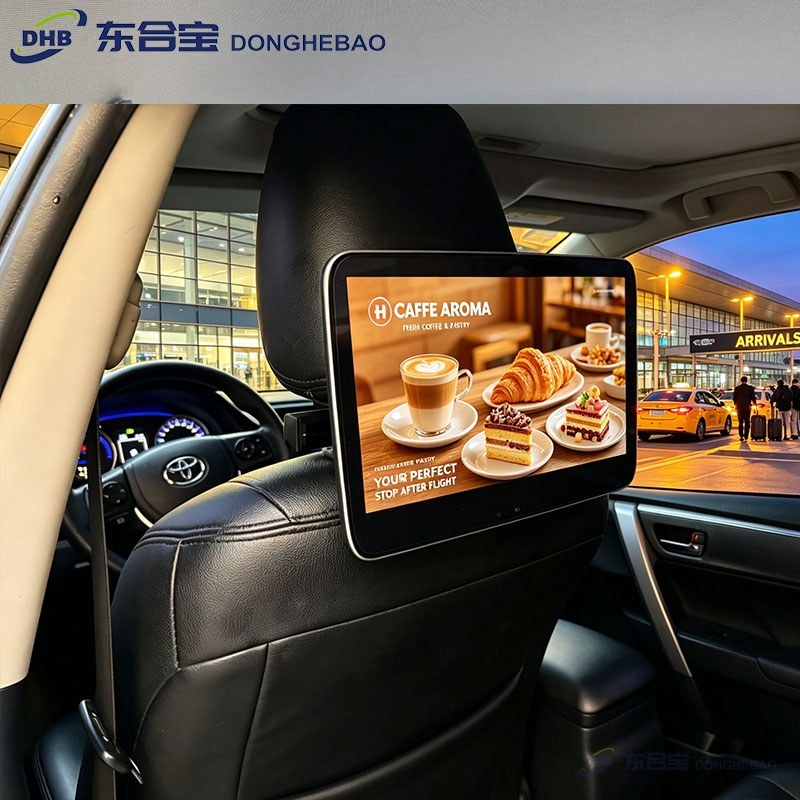
Taxi rear seat entertainment has moved from a novelty to a practical revenue and service tool for fleet operators. A well-chosen screen keeps passengers engaged on short trips, gives advertisers a controllable channel, and can be managed remotely across an entire fleet. However, not every display is built for the daily vibration, heat and constant use of a working vehicle. This guide covers the decisions that matter before you place an order, so you can compare models on equal terms rather than on price alone.
Taxi Rear Seat Entertainment: A Fleet Buyer’s Guide to Screens
How Taxi Rear Seat Entertainment Pays for Itself
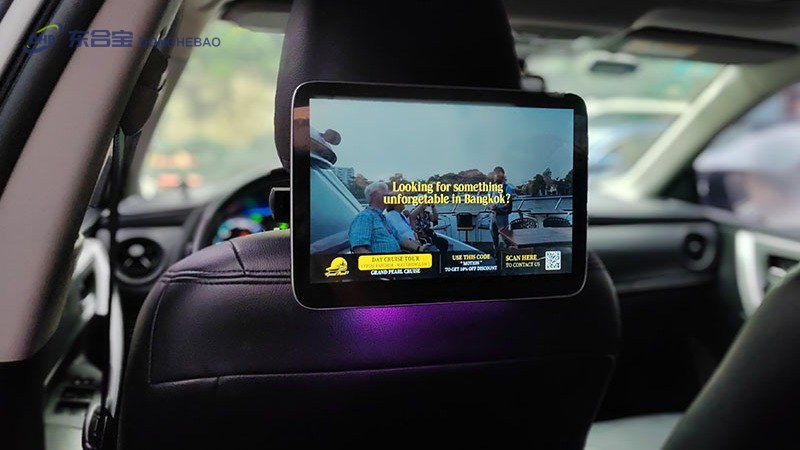
The passenger in the back seat has attention to spare, and a short urban ride creates a captive audience. According to industry coverage of in-taxi digital advertising, the in-cab segment is growing quickly because engagement rates are higher than many static formats. For a fleet owner, that attention can be sold to advertisers or used to promote your own services through taxi rear seat entertainment. Moreover, a screen that shows useful content improves the ride experience, which supports better ratings and repeat bookings. The key is to treat the display as a managed media channel, not a one-off gadget.
Content Options: Entertainment, Information and Ads
Taxi rear seat entertainment displays can carry several kinds of content. Video clips, local guides and language-friendly information help tourists and regular passengers alike. Advertising pays the bills, but a screen that only loops hard-sell spots can feel intrusive. A balanced mix works better: short entertainment segments, real-time information such as traffic or weather, and clearly separated ad blocks. Therefore, ask the supplier whether the player supports scheduled playlists, so different content can run at different times of day. For example, morning commutes and evening airport runs can carry different campaigns without manual intervention.
Brightness, Viewing Angles and Sunlight
Vehicles are bright environments. A panel that looks excellent on a desk can wash out when sunlight hits the seat back. Look for an IPS panel with wide viewing angles, since rear passengers rarely sit perfectly centred. Adequate brightness and an anti-glare surface keep content readable through the day. In addition, automatic brightness adjustment through an ambient light sensor reduces power draw and avoids a harsh screen at night. Ask for real brightness specifications and, if possible, test a sample unit in daylight before committing to a fleet-wide order.
CMS Control and Remote Updates
Managing content one vehicle at a time does not scale. A proper taxi rear seat entertainment system connects to a content management system that supports remote scheduling, content push and device monitoring. Confirm whether the CMS offers geo-fenced playback, so an advertiser can target a specific district, and whether it reports playback logs for billing. Reliable connectivity matters here: many systems use 4G and keep a local storage buffer when the network drops. As a result, a campaign keeps running even through a weak signal. Request a CMS demonstration and check that the interface is simple enough for your operations team.
Mounting, Power and Vehicle Fit
The physical install determines long-term reliability. Check that the bracket fits your exact seat model and that the screen does not obstruct movement or airbags. Vibration is constant in a working taxi, so a loose mount will fail long before the panel itself does. On the power side, confirm the operating voltage and whether the unit handles engine start-stop cycles without rebooting. Hardwiring should follow the vehicle’s fuse layout, and a clean installation reduces after-sales visits. Fleet projects should request a sample install and a clear wiring diagram before rollout.
Measuring Passenger Engagement After Installation
Once a taxi rear seat entertainment pilot is live, measure more than uptime. Track which playlists hold attention, how often the screen is visible during a typical trip, and whether passengers interact with any prompted feature. Simple observation during a two-week trial often reveals more than a long specification comparison. A taxi rear seat entertainment unit should earn its place by delivering usable impressions, not just by being switched on. Feed those findings back into the schedule before you expand the fleet order.
How to Compare Suppliers Fairly
When you collect quotes, normalize the comparison: same screen size, same Android version, same CMS capability, same certification scope and the same warranty terms. A lower price often reflects a narrower feature set or weaker technical support, not a better deal. Check whether the manufacturer offers firmware updates, replacement parts and documented integration support. DHB publishes detailed taxi advertising display guidance that fleet buyers can use as a checklist. For wider industry context on digital out-of-home advertising, see the Outdoor Advertising Association of America. In conclusion, the best taxi rear seat entertainment setup fits your vehicles, your CMS and your service model, not simply the largest panel on the quote.
Contact DHB
If you need technical support, IoT SIM card compatibility information, or customized taxi Android headrest advertising display solutions, please contact DHB.
WhatsApp: +86 134 2287 1594
Email: kiki@donghebao.com
Contact Us: Contact DHB Taxi Ad | Get Taxi Advertising Displays Quote
Website: www.dhbtaxiad.com