


Buying screens is the easy part of launching an in-car media network. The hard part is keeping hundreds of vehicles supplied with the right ads at the right time. A taxi cms is the control layer that makes this possible. It schedules playlists, groups vehicles, and shows which screens are online. Without it, every campaign change becomes a manual visit to the car park. This buyer guide explains what to compare, which market trends matter, and which questions to ask before you place an order. It is written for taxi fleets, media agencies and system integrators planning a pilot or a wider rollout.
Taxi CMS Buyer Guide: Features, Costs and Selection Tips
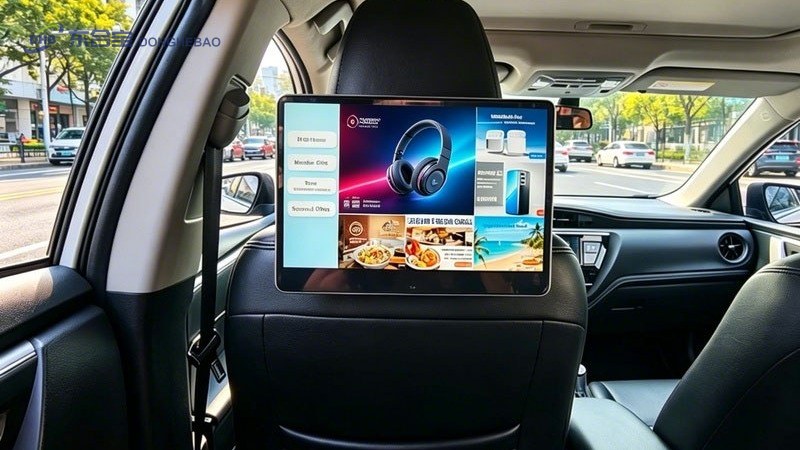
Why the Platform Matters More Than the Panel
A screen only plays what it receives. The platform decides when a campaign starts, which vehicles receive it, and how long each creative runs. According to the Out of Home Advertising Association of America, digital out of home grew 10.5% in 2025 and reached 36.3% of total US out of home revenue. Delivering and verifying that inventory depends on the taxi cms, not the glass. Therefore, evaluate the platform as a business tool. A weak system creates empty airtime, delayed campaigns and arguments about delivery. A good one lets a small team manage a large fleet from one dashboard. Our overview of rear-seat advertising system CMS features explains the operating side in more detail.
Core Taxi CMS Features to Compare
Start with scheduling in any taxi cms. Look for daypart rules, date ranges and flexible playlists that can run different creative in the morning and evening. Next, check grouping. Vehicles should be sortable by city, district, route or client, so a change reaches one group without touching the rest. Role-based accounts matter when several advertisers share the network. Content should pass an approval step before it goes live, and an audit trail should record who published what. Moreover, ask for remote diagnostics. Rebooting a failing unit from a desk is far cheaper than sending a technician to a taxi rank. For example, a pilot with twenty vehicles will reveal workflow problems that a specification sheet cannot show.
Cloud or Local: Two Deployment Models
Most buyers choose between a hosted platform and a locally managed server. A hosted service reduces setup work and makes remote updates straightforward. However, it depends on mobile coverage and an ongoing subscription. A local server gives more control over data and content, yet it needs internal maintenance and secure access. The right choice depends on where the fleet operates and who will support it. For smaller networks, hosted delivery is usually easier to justify. For large or regulated markets, a hybrid approach can keep critical content available when coverage drops. Ask the supplier to document reconnect behaviour after a tunnel or a long parking period.
Connectivity and Proof of Play
Content delivery for a taxi cms follows the network. Cellular connectivity is common because vehicles move across cities, while Wi-Fi works in depots. A practical system caches the current playlist and resumes syncing when the link returns. Buyers should also request delivery reports. Advertisers increasingly want timestamps, screen status and location context, not a simple impression estimate. The industry is moving in that direction: OAAA reports that data-driven and programmatic capabilities are driving digital growth. As a result, proof-of-play records are becoming part of the sales conversation. Our guide to geofencing for taxi advertising screens shows how location rules fit into campaign planning.
Questions to Ask Before You Order
Use these questions to test any taxi cms during supplier calls and pilot reviews.
- Which publishing and approval roles can be configured for multiple advertisers?
- How quickly does a playlist change reach one vehicle, a group, and the whole fleet?
- What happens to playback when the mobile signal drops mid-campaign?
- Can the platform export playback and device-status records for client reporting?
- Is support available in the operating language and time zone of your fleet?
The answers reveal more than a feature checklist. Meanwhile, confirm that the platform supports the display hardware you plan to buy. A taxi cms that only works with one panel family limits future expansion and bargaining power.
Final Thoughts
Choose the platform before you finalise the hardware order. Compare scheduling, grouping, reporting and support using the same test across every supplier. Run a small pilot, measure how long a campaign change takes, and check the reports an advertiser would actually see. In conclusion, the best taxi cms is the one your team can operate daily without workarounds. Digital out of home is growing, and fleet operators who can prove delivery will be better placed to sell it.
Contact DHB
If you need technical support, IoT SIM card compatibility information, or customized taxi Android headrest advertising display solutions, please contact DHB.
WhatsApp: +86 134 2287 1594
Email: kiki@donghebao.com
Contact Us: Contact DHB Taxi Ad | Get Taxi Advertising Displays Quote
Website: www.dhbtaxiad.com