

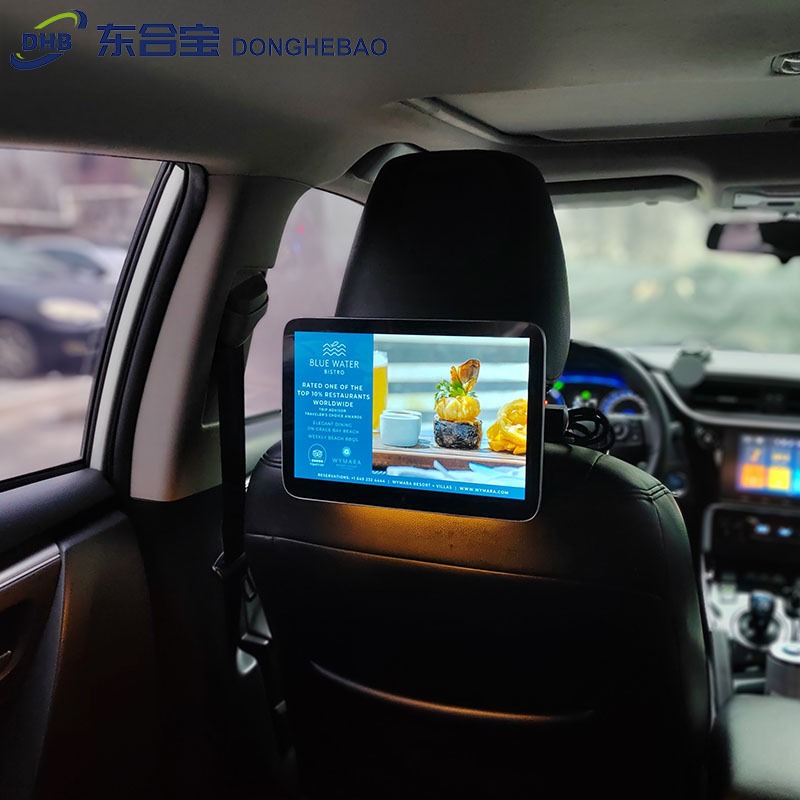
Choosing a taxi advertising machine is a media decision as much as a hardware purchase. The right unit turns idle ride time into a measurable advertising channel, while the wrong one creates installation headaches and high maintenance costs. Buyers often compare screen sizes first, yet connectivity, content management and vendor support decide whether a fleet network stays profitable. This guide compares the main formats, lists the specifications worth checking, and explains how current out-of-home trends should shape your order. It is written for taxi operators, fleet managers and advertising agencies planning a pilot or a wider rollout.
Taxi Advertising Machine Buyer Guide: Types, Specs and ROI
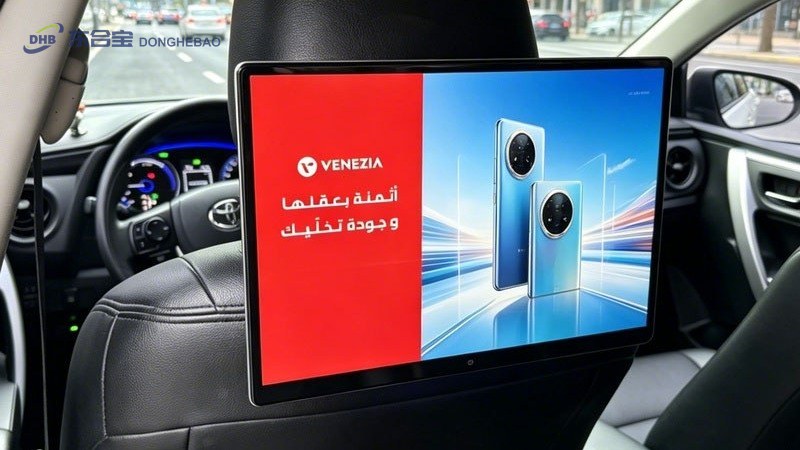
What Is a Taxi Advertising Machine?
A taxi advertising machine is a commercial display system installed in or on a vehicle to play paid content and passenger information. In-cabin models usually mount behind the front seats, while exterior versions sit on the roof. A complete system includes the panel, an embedded media player, network connectivity and a content management platform. Unlike a consumer tablet, it is designed for vibration, long daily run times and unattended operation. Buyers should treat the unit as one node in a managed media network, not a standalone monitor.
Taxi Advertising Machine Types: Which Format Fits Your Fleet?
Headrest displays sit directly in the passenger line of sight. They suit city taxis and ride-hailing cars where trips are short and advertising is the main goal. Rear seat screens are larger and work well in premium vehicles, shuttles and tourist transport, where passengers may watch longer content. Rooftop LED screens target people outside the vehicle and rely on high visibility in dense traffic. However, exterior units face stricter local rules and tougher weather requirements. For example, a fleet that sells location-based campaigns usually starts with in-cabin screens, then adds exterior units where regulations allow. A detailed headrest display buyer guide can help with the first choice.
Specifications That Deserve a Checklist
For a taxi advertising machine, start with the panel. Ask for brightness, contrast, viewing angles and resolution in writing, then test a sample in a real vehicle under daylight and night conditions. Next, review the operating system and player hardware. An Android-based unit offers flexible media playback and easier integration with third-party platforms. Connectivity deserves equal attention: 4G keeps content flowing when the vehicle moves, while Wi-Fi is useful in depots. Check the power input range, ignition behaviour, storage capacity, mounting bracket and operating temperature. Moreover, request a datasheet for the taxi advertising machine that states whether it is intended for continuous commercial use.
CMS, Connectivity and Proof of Play
A taxi advertising machine without reliable software becomes a maintenance burden. A capable CMS should let your team upload media, build playlists, schedule campaigns by time and region, group devices and monitor online status. Proof-of-play reports matter because advertisers pay for delivered impressions, not installed screens. In addition, ask whether content is cached locally so playback continues when the network drops. Location triggers can switch creative when a vehicle enters an airport or retail district; our geofencing guide explains the practical options. Therefore, evaluate the software before you negotiate the hardware price.
How Market Trends Should Affect Your Purchase
Industry data suggests the category is expanding. The Out of Home Advertising Association of America reported that US out-of-home revenue reached $9.46 billion in 2025, with digital out of home at 36.3% of the total and up 10.5% year over year. A 2026 TechSci Research report projects the in-taxi digital signage market to grow from about $756 million in 2025 to roughly $963 million by 2031. Consequently, buyers should plan for software features that support data-driven selling, such as zone-based scheduling and verifiable reporting, rather than simple loop playback.
Total Cost of Ownership and Support
The purchase price is only one line in the budget. Installation labour, SIM data plans, CMS subscriptions, spare parts and technician visits can outweigh the screen cost over a fleet’s lifetime. Ask the supplier about warranty terms for the taxi advertising machine, replacement lead times and whether mounting parts are standard or custom. For example, a slightly cheaper unit that needs frequent site visits can cost far more in the long run. Also confirm who provides integration support if your advertising team uses an external platform. A clear service agreement protects your revenue more effectively than a low unit price.
FAQ: Quick Answers for Buyers
Can these units run without a constant network connection? Most professional players cache approved media locally, so scheduled campaigns continue during short outages and sync later. Do I need a custom app? Not always. Many operators use a standard CMS, while larger media networks integrate their own platform through documented interfaces. How do I justify the investment to advertisers? Share proof-of-play reports, vehicle coverage, trip context and clear zone definitions. Reliable reporting turns screen time into a sellable product.
A taxi advertising machine should be chosen as part of a complete media system. Compare formats by route and passenger profile, check specifications with a sample unit, and give software and support as much weight as the panel. As digital out-of-home spending grows, fleets that invest in measurable, remotely managed screens will be better placed to sell advertising and control operating costs. Start with a small pilot, collect real playback data, then scale with confidence.
Contact DHB
If you need technical support, IoT SIM card compatibility information, or customized taxi Android headrest advertising display solutions, please contact DHB.
WhatsApp: +86 134 2287 1594
Email: kiki@donghebao.com
Contact Us: Contact DHB Taxi Ad | Get Taxi Advertising Displays Quote
Website: www.dhbtaxiad.com